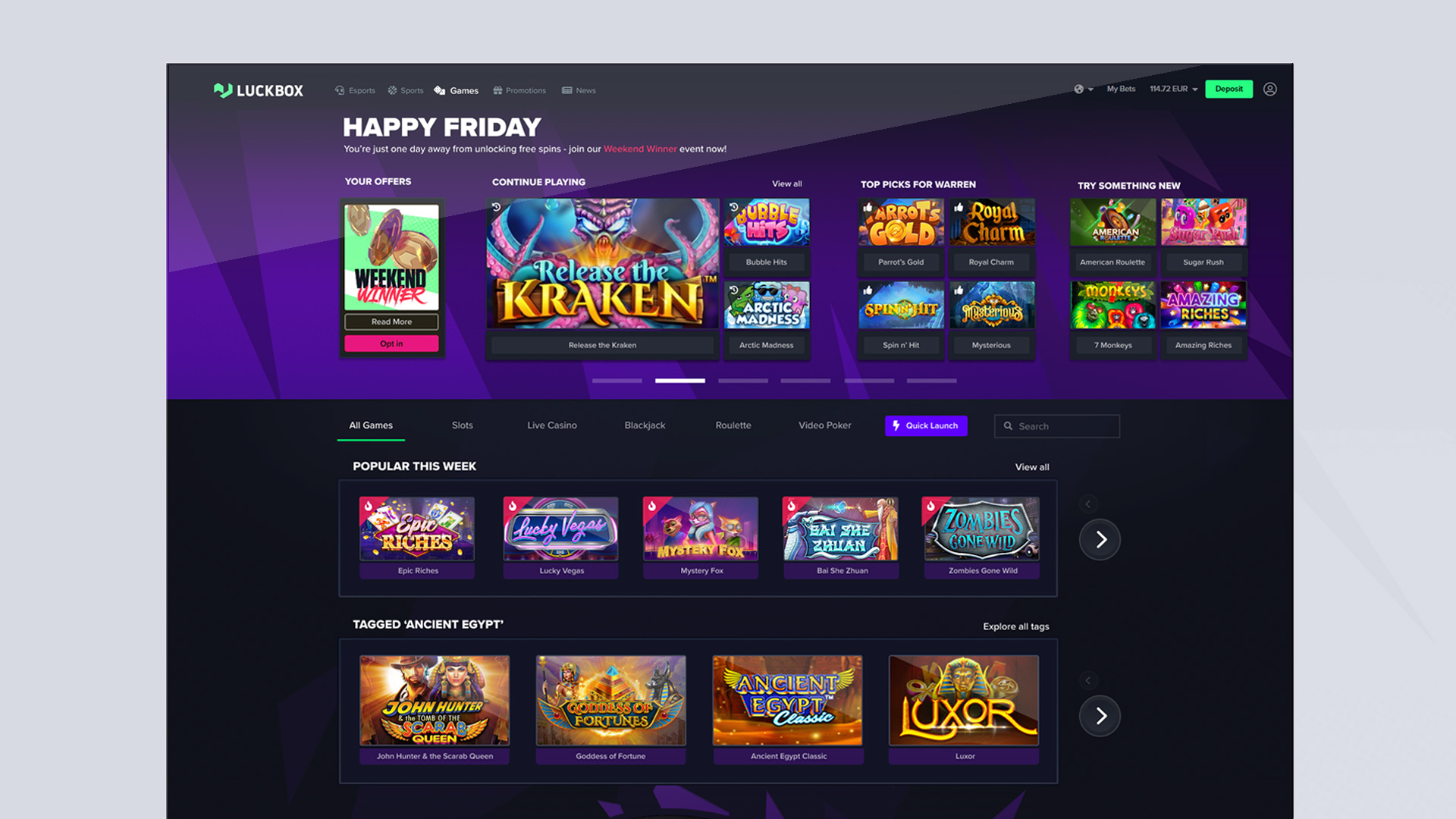
Luckbox Casino
Building a casino vision
How a "north-star" design for Luckbox established a shared vision for a cutting-edge casino
Case study
Designing for AI-Driven Micro-Betting System

In 2023, I was appointed to define and lead product vision for an AI ML-driven, real-time micro-betting app integrated with live esports streams.

To keep players engaged in between live rounds, the system generated markets on Player outcomes, Map selection and Map specific events
In 2023, I was leading product vision for an experimental micro-betting platform. The concept was ambitious: machine learning models would analyse live esports matches and continuously generate betting opportunities as games unfolded in real time.
At the time, we weren't talking about AI products in the way we do today. The language and frameworks we now use to describe AI UX, human-AI interaction, and machine-generated recommendations were still emerging, and many of the challenges we encountered felt novel and largely unexplored.
In hindsight, many of the challenges we encountered would later become familiar themes in AI product design.
The engineering team had built a system capable of producing a stream of probabilistic predictions based on live game data. My role was to define the product experience around those predictions and answer a deceptively simple question:
How do you turn machine-generated outputs into betting opportunities that feel clear, actionable and worth engaging with?

One of the first things I learned on the project was that there was a significant gap between what the model could generate and what users could realistically consume.
The system could generate an enormous number of betting markets as matches evolved.
Technically, this was impressive but it created problems.
The model would typically produce:
The model operated at system speed, but player cognition did not.
Without deliberate constraint, the product would overwhelm users, and the interface itself would become unusable under dynamic output conditions.
A common instinct when working with AI systems is that more is more.
But our experience suggested that the more information we surfaced, the harder the product became to use.
What users needed wasn't access to more predictions - they needed decisions they could understand instantly.
The most important design constraint I introduced was reducing every market to a binary outcome:
This created a consistent interaction model regardless of the underlying complexity being generated by the system.
Players no longer needed to learn new market structures every few seconds. Every opportunity followed the same mental model.
The result was a faster, more predictable decision-making process that could fit naturally alongside the live match experience.

“Successful AI products aren't defined by their models - they're defined by how easily people can act on what the models produce.”
One of the more interesting discoveries emerged when we started looking closely at how players evaluated betting opportunities.
In a traditional sportsbook, users are typically making two decisions at once:
For experienced bettors, this process is normal.
For users trying to follow a live esports match while making rapid decisions, it became a significant source of cognitive load.
They weren't simply predicting outcomes - they were simultaneously evaluating probability, comparing value, calculating risk and monitoring the match itself. The solution wasn't to explain the odds more clearly, it was to reduce the need to think about them altogether.
We deliberately prioritised markets with relatively balanced probabilities, creating situations where the outcome itself became the focus of the decision.
Instead of asking:
"Do I agree with this price?"
Players were more often asking:
"What do I think happens next?"
That sounds like a small change, but it fundamentally altered the nature of the interaction.
We had effectively removed an entire category of decision-making from the experience.


As the product evolved, we understood that a not every moment of a match supported the same type of interaction. During active rounds, attention was scarce as players were focused on the game itself. Any interaction needed to be immediate, lightweight and easy to process.
Between rounds, however, attention returned.
These quieter moments created opportunities for much richer prediction mechanics.
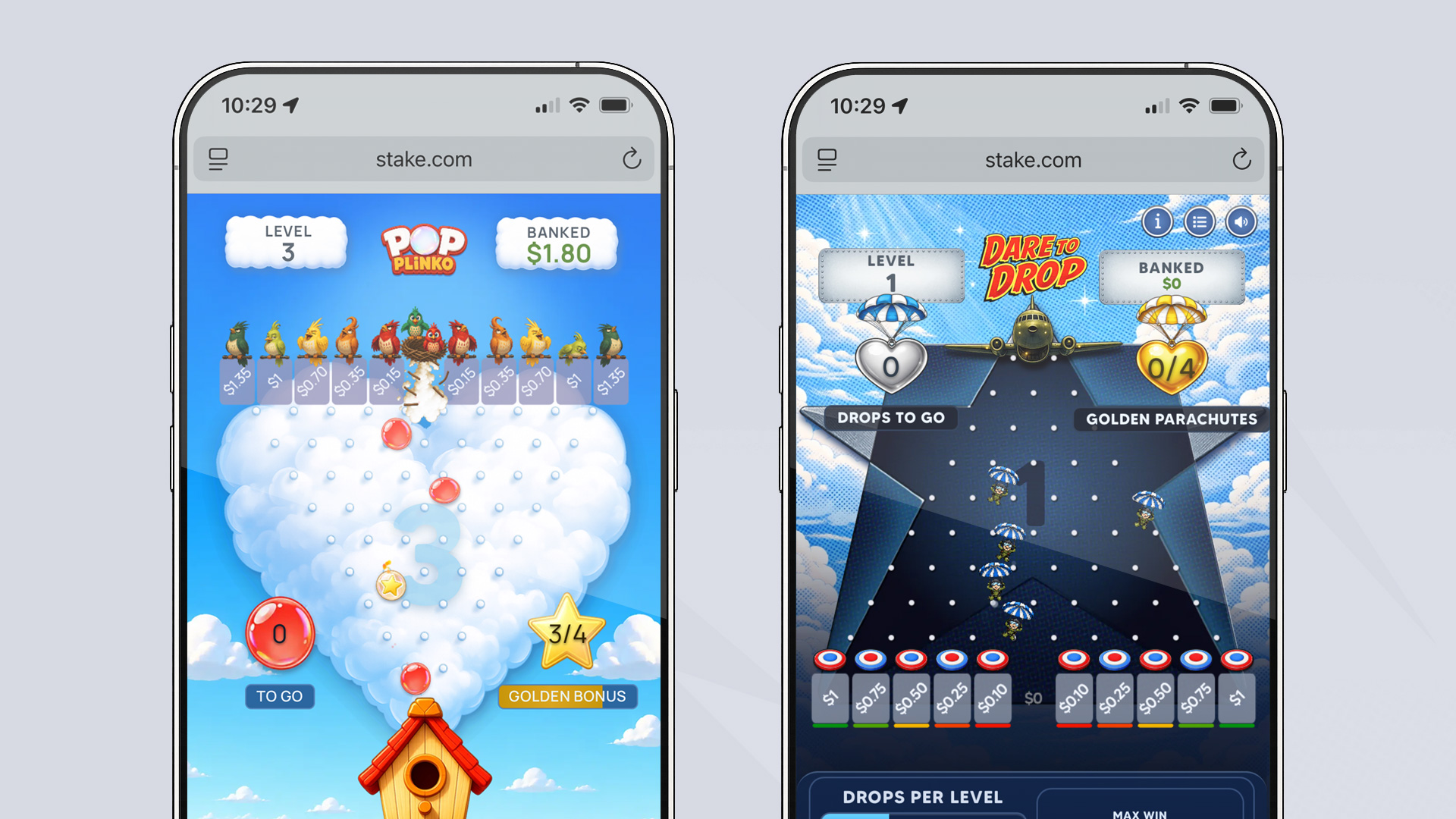
Alongside the rapid in-play markets, we explored experiences where players could make more detailed predictions before a round began:
Some of these experiences used much richer visual interfaces than the core live-betting flow.
What made them successful wasn't the interface itself. It was the timing.
The product gradually evolved into a layered system where different interaction types appeared at moments when the user's attention could realistically support them.
In hindsight, this was less a betting problem and more an attention-design problem.
Beyond individual betting opportunities, I was responsible for shaping the broader experience.
The core interaction loop was intentionally simple:
Lobby → Live Decisions → Outcome Resolution → Post-Match Summary → Return
Each stage served a distinct purpose - the lobby established context and stake expectations; live play prioritised speed and clarity; resolution screens delivered immediate feedback; post-match summaries helped players understand performance before returning to the next experience.
The objective wasn't feature density, the objective was maintaining momentum while ensuring users always understood what had happened, what was happening now, and what they could do next.

Core interaction loops were designed to keep players engaged throughout the game
The full product vision was never launched due to the eventual closure of the brand, although a simplified MVP version of the micro-betting experience was implemented.
The project has stayed with me because it was an unusually ambitious product for its time, but mostly because many of the questions we encountered have become increasingly relevant across modern AI products.
Those were the challenges we were grappling with in 2023.
The technology involved was interesting, but the lasting lesson was much more human: successful AI products aren't defined by the sophistication of their models.
They're defined by how effectively they help people act on what those models produce.
Other projects from the portfolio