
The design of a homepage presents a set of problems that are unlike many of the normal challenges of UX or UI Design.
For most UX problems, a designer will be free to pursue a user-centered approach. However, the nature of homepage design makes user-centered design more difficult than usual.
The homepage is the display window for any company. As a result, every stakeholder in the company feels invested in its design and stakeholders can tend to influence the design based on personal opinion or unproven assumptions.
When tasked with designing the responsive homepage for Luckbox.com, I devised a design process that ensured the focus stayed on a user-centred approach, which also recognising the importance of business needs.
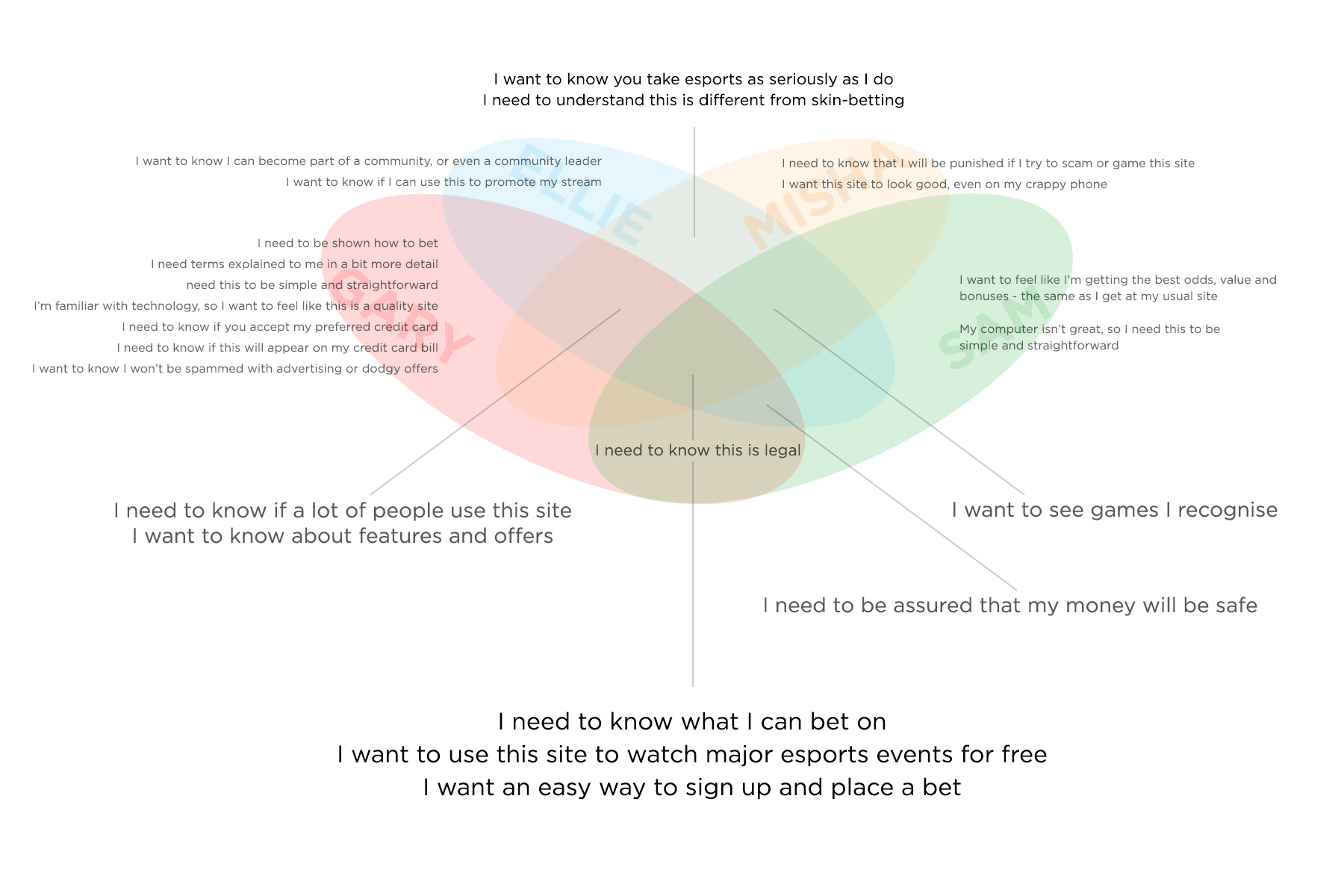
One of the first tasks I undertook when I joined Luckbox, was to create a set of User Personas. I worked closely with our Marketing team, and we devised a set of 4 personas which reflected our main market demographics. These became a crucial tool in the homepage design.

For each of these User Personas, I created a set of 'user needs' which captured the individual anxieties, competencies and goals of the persona.
These were signed-off with Marketing team and key stakeholders.
In preparation for designing the homepage, I translated each persona's needs into a specific 'Job to be Done' for our homepage.
For example, several of the personas were uncertain about the legality of betting on esports. In the persona diagrams, this was expressed as the need: "I need to know it's legal and trustworthy".
This need was then translated into a task for the homepage: "The homepage must convince users that our site is legal and trustworthy".
An infographic was created, capturing all user needs and highlighting any areas where several personas had shared needs.
If all 4 personas had a common user need, it was labelled as Priority 1.
If 3 of the 4 personas has a common need, it was labelled Priority 2, etc.
In addition to the work on our User Personas, I conducted some industry research and found some key findings from a 2016 report into gambling websites.
The research listed the 5 attributes which users find important on a sportsbook website:
The User Needs Diagram was presented to key stakeholders across the business and agreed upon. This sign-off was essential in ensuring that the final design would be based on user needs and not based on subjective opinion.
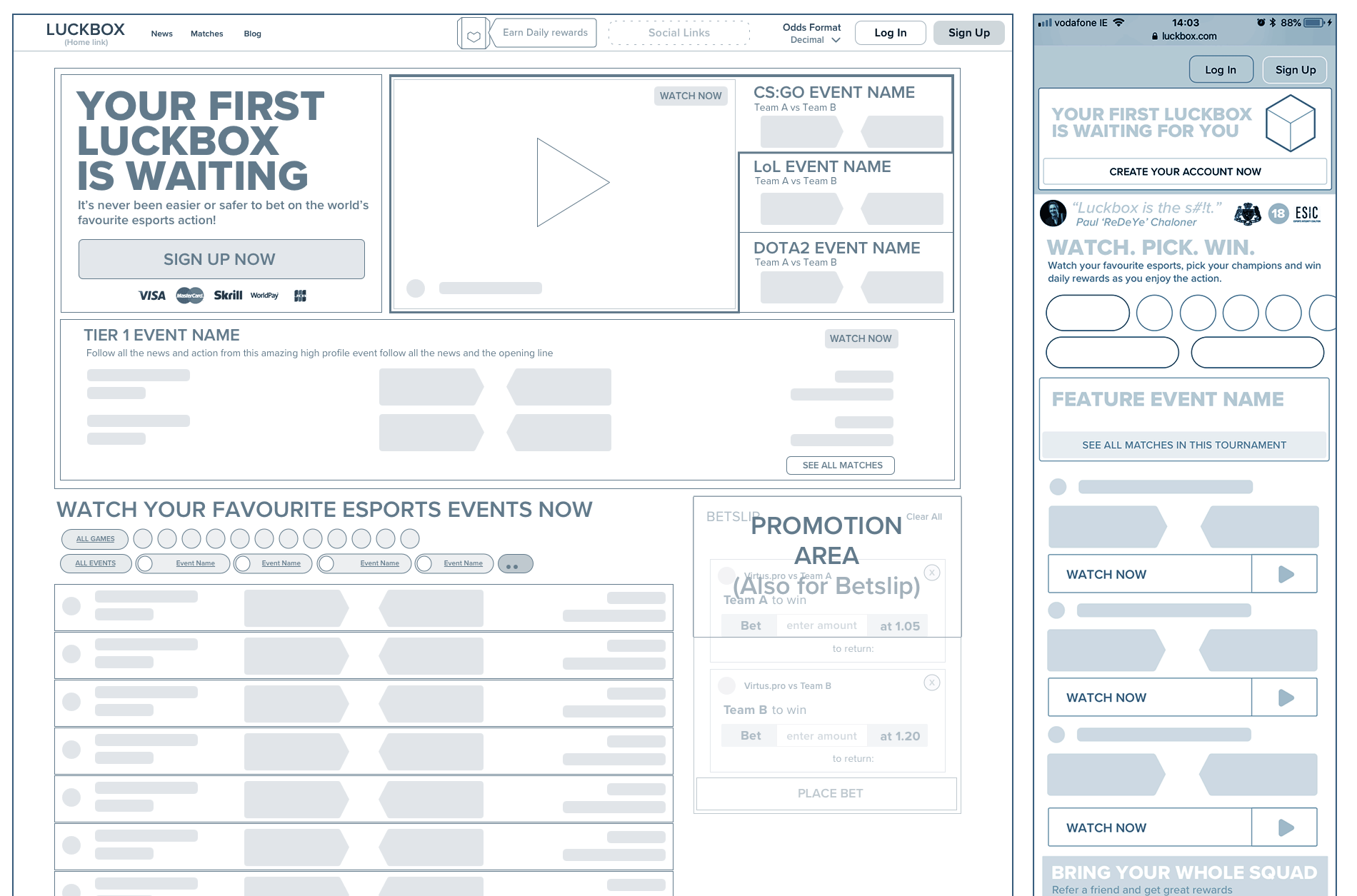
Following this presentation, a set of initial wireframes were created which captured the needs. Over several iterations, these wireframes were refined until a final design was agreed by the design team.
When these designs were presented to stakeholders, it was made clear that the question was not a subjective, "do you like this design?".
Instead the presentation was framed around the question, "do you agree that this design accomplishes the goals set out in the previous meeting?".
This subtle reframing of the question kept the conversation away from individual preferences and biases.
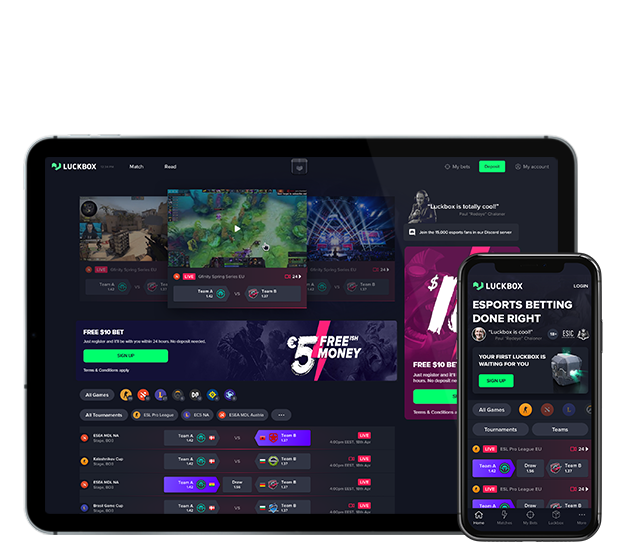
Following sign-off on the wireframes, I worked with UI to create a front end design which met user criteria as well as brand guidelines. The final designs are ready for go live before July 2019.

As development of the homepage neared completion, I led the usability testing of the page with a small group of beta testers. The user testing was conducted by video conferencing and screen sharing, which allowed us to conduct 'think out loud' sessions with participants. It also allowed Marketing to observe the tests. Based on the feedback received, some minor improvements were made to the designs.
